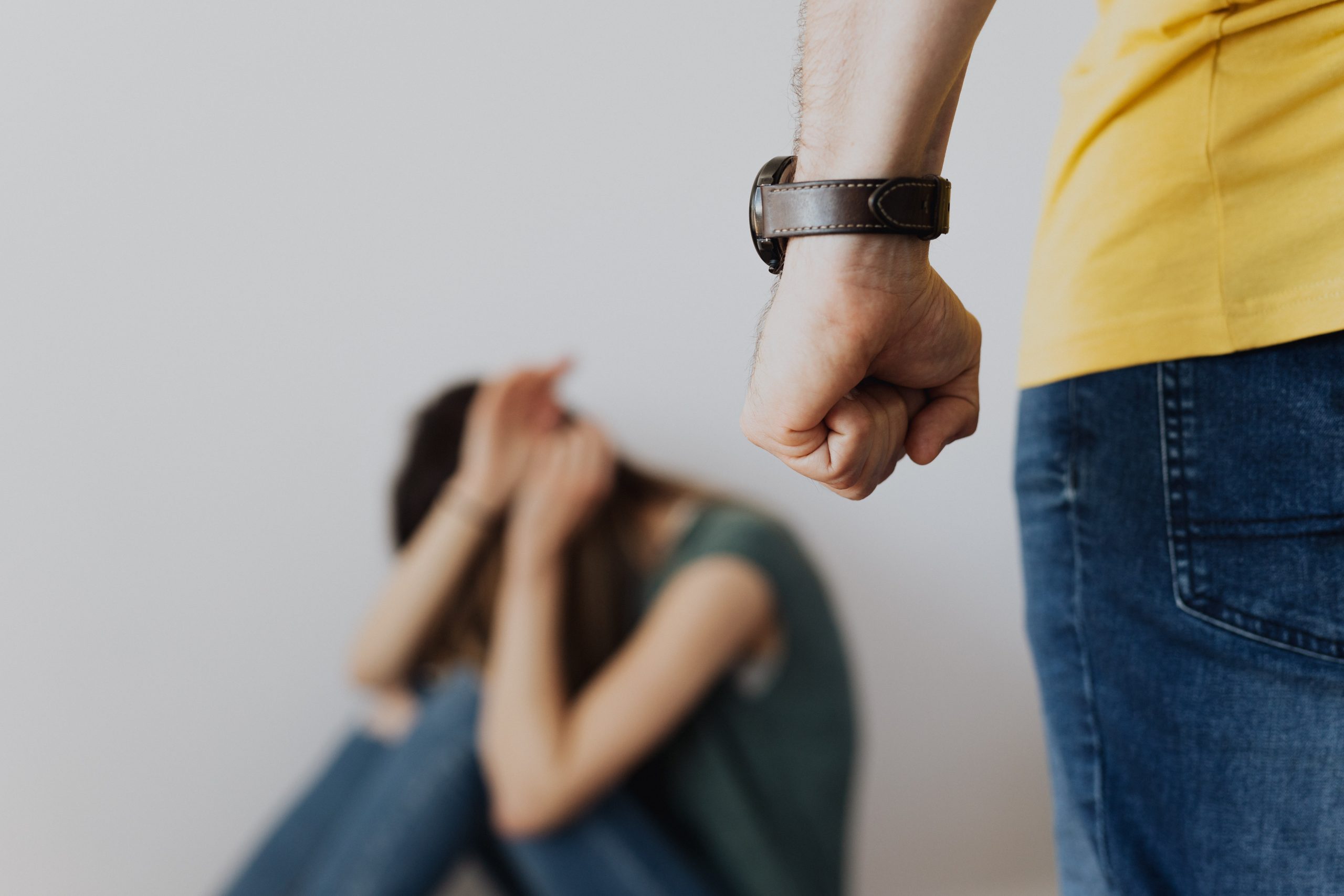
A recent study has highlighted the link between domestic abuse and suicidal thoughts, showing just how detrimental it is to mental health.
According to findings by Agenda Alliance, women who have been abused by their partner are three times more likely to have attempted suicide in the last 12 months.
Deputy chief executive officer of Agenda Alliance Jess Southgate said it is “shameful” that the connection between domestic abuse and suicidal feelings has not been recognised as a public health crisis.
“The most marginalised women are often those most at risk. Yet time and again their needs and experiences are overlooked,” she stated.
Nearly half (47 per cent) of women who do not have a job have experienced domestic abuse, meaning they are at higher risk of feeling suicidal.
It also found women are at ten times greater risk of sexual abuse by a partner than men. This also means they are likely to self-harm and attempt suicide.
Sally McMaunus, senior lecturer in health at the Violence and Society Centre at University of London, noted that if a woman presenting to services is suicidal, it is likely she is also a victim of abuse.
“It’s vital that welfare professionals, as well as those working health and social care, recognise the very high rates of domestic abuse experienced by such women, and are aware of the extent to which their distress can manifest in self-harm and suicidality,” Ms McManus stated.
Subsequently, Agenda Alliance wants public authorities to ensure staff know the links between domestic abuse and suicide among women; professionals in public services routinely ask if people are safe; opportunities to leave abusers are improved, such as by keeping universal credit payments separate; police to investigate the history of domestic abuse in suicide cases; and funding for domestic and sexual abuse charities to increase, so they can continue to offer better support to women.
The cost-of-living crisis is exacerbating the problem for many victims, as they are suffering from economic abuse.
Women’s Aid found 66 per cent of females who are domestically abused experienced restricted access to money, and 73 per cent of those living with their partner said the economic crisis made it harder for them to leave their relationship.
In the 12 months leading up to March 2020, 1.6 million women between 16 and 74 years old had suffered from domestic abuse in the past year. However, this figure could be much higher now, as the cost-of-living crisis and the pandemic put additional pressures on families.
Furthermore, there could be a considerably higher number of cases, as many victims do not report their partners to the police. These figures only account for specific incidents of poor behaviour; however, Women’s Aid recognises someone can be abused if they are coerced or under the control of someone else. Emotional abuse, including being humiliated, threatened, blamed, restricting friendships, being ignored, and lowering self-esteem, also often goes unreported.
Domestic abuse, whether physical, emotional, economic, or coercive, can have a huge impact on the victim, which is why it is important to seek private counselling in west London before it is too late.