A common reason why people seek individual therapy is addiction, and whilst the most common addictions are alcohol, smoking and recreational drugs, a growing addiction in the UK is the rise of gambling.
For a large majority of people, gambling is an entertaining distraction and little else; given the old mantra that the “house always wins”, the chances of leaving the casino with more money than you entered is unlikely and most people know this.
However, for some people gambling is not a low-stakes source of entertainment but instead a high-stakes pathological compulsion, with roughly one per cent of the population suffering from behaviour connected to problem gambling.
Part of this comes from a mix of internal and external factors that keep an addict going back.
These external factors involve how a game provides both an illusion of choice and the concept of a near-victory.
A controversial system that has been seen particularly with slot machines is the concept of the near-miss, where the reels will land in a way that makes a potential victory look closer than it actually is.
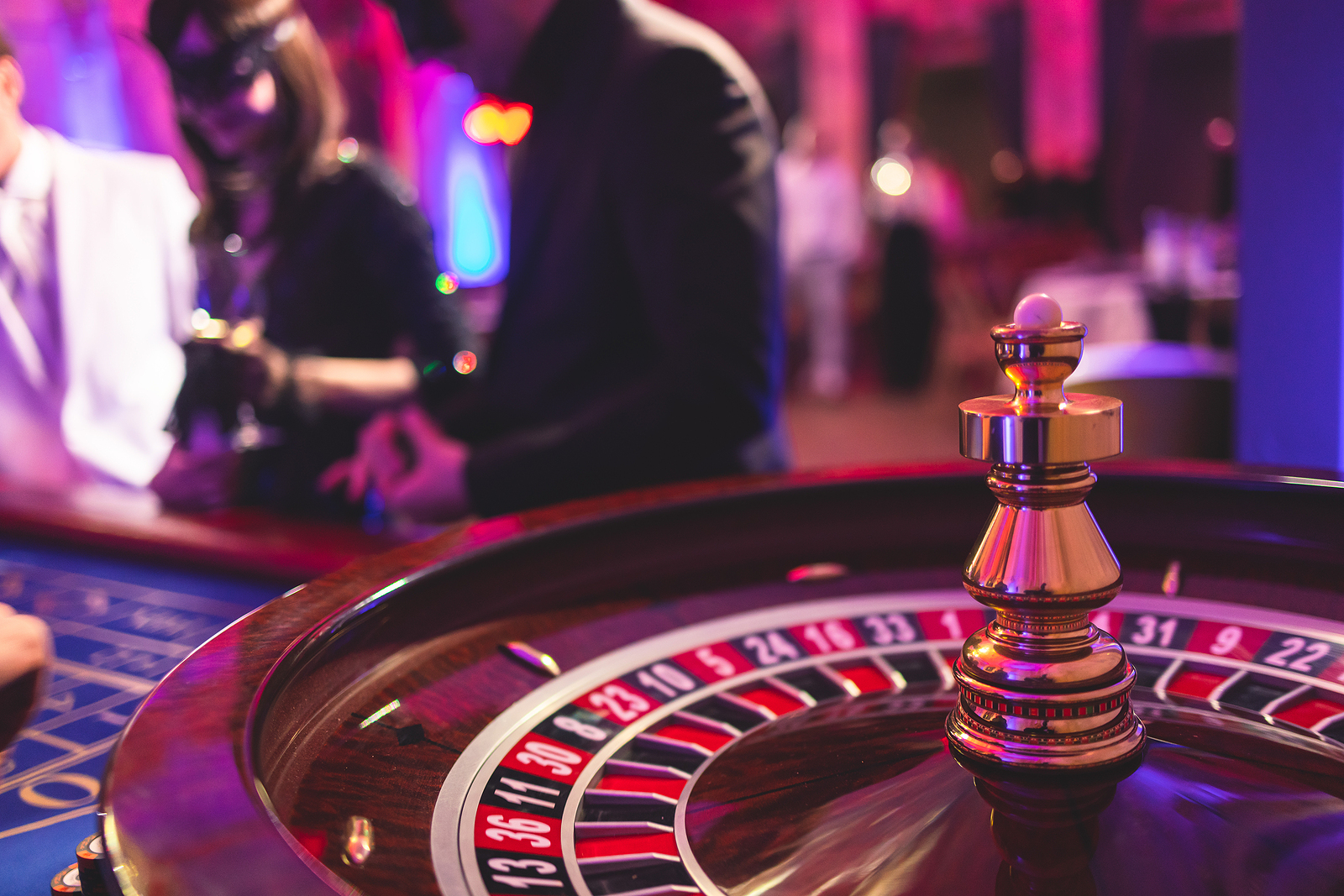
By contrast, the illusion of choice is where players are given a chance to perform an action necessary to the game, such as spinning the roulette ball on the wheel, rolling the dice or choosing lottery numbers.
This provides the perception to a gambler that a degree of skill and therefore individual agency is involved when in practice the vast majority of games are completely random.
Another major factor, known as the gambler’s conceit, is a logical trap where two gambling superstitions effectively trap a problem gambler in a spiral of risky behaviour.
If a player does defy the odds and win a series of games, it will seem to them irrational to quit whilst they are ahead because they could be on a run, whilst at the same time if they are losing they may decide to chase these losses and magnify their losses.